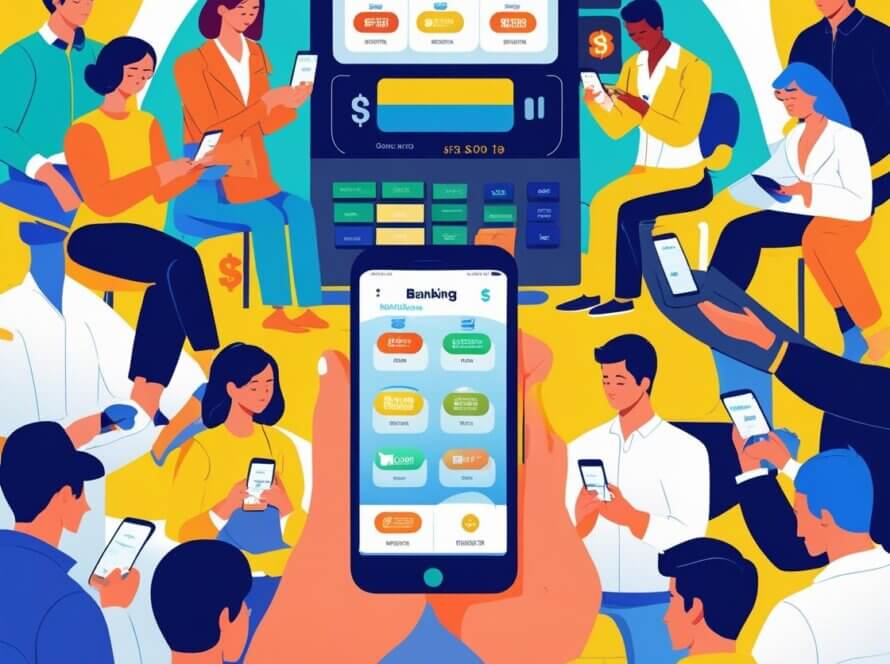
Chika opens her banking app three times a day: once to check her balance before lunch, again after work to see her salary deposit, and finally before bed to review her spending.
Each session lasts less than thirty seconds. She gets the information she needs and closes the app, feeling no more informed about her financial health than before she opened it.
Her banking app serves the same function as the ATM outside her office building: it dispenses information when requested but offers nothing more.
This utilitarian relationship is a massive missed opportunity in a growing digital banking sector.
While banks celebrate user acquisition numbers and transaction volumes, they’re building digital ATMs when customers need financial guides.
The difference between the two determines whether users develop genuine loyalty or simply tolerate your app until something better comes along.
The Digital ATM Trap
Most banking apps today operate under what can be called the “ATM model” of customer interaction.
They perform core transactions: checking balances, transferring money, paying bills, and reviewing transaction history.
These functions work efficiently and meet basic customer needs, creating an illusion that the app provides complete value.
This way mirrors the original appeal of ATMs, which were revolutionary when they first appeared because they provided 24-hour access to basic banking functions.
However, ATMs never evolved beyond transaction processing, and today they are the most replaceable part of the banking infrastructure.
Customers use any available ATM without loyalty or preference because all ATMs provide identical, purely functional experiences.
Banking app user experience (ux) that stops at transaction processing creates the same replaceable relationship.
Users complete their necessary banking tasks but develop no emotional connection to the platform.
When competitors offer similar functionality with better rates or prettier interfaces, switching becomes effortless because the relationship was purely transactional from the beginning.
Context Makes the Difference
The fundamental difference between an ATM and a guide lies in context and personalization.
An ATM displays your account balance as a simple number. A guide understands what that balance means within the context of your financial goals, spending patterns, and upcoming obligations.
Consider how differently an AI financial guidance app might handle a routine grocery transaction.
Instead of simply categorizing the expense as “food,” an intelligent system could provide meaningful context: “You’re spending consistently within your grocery budget this month, which puts you ahead of schedule for your vacation savings goal.” This transforms a mundane transaction record into valuable financial insight.
This contextual approach requires understanding individual user patterns rather than treating all customers identically.
Personalized digital banking means recognizing that the same transaction amount might represent careful budgeting for one user and overspending for another.
An effective guide adapts its communication and recommendations based on individual financial situations and stated objectives.
Next-gen banking app features should move beyond displaying transaction histories to interpreting what those patterns mean for each user’s financial health and future success.
This shift from data presentation to data interpretation creates genuine value that users can’t get from generic banking apps or simple ATMs.
Also read, Why Banking Apps Should Think Less Like Banks, More Like Coaches
Rebuilding the Human Connection
Conventional banking relationships were built on personal guidance and trust. Bank managers knew their customers’ financial situations, goals, and concerns.
They provided advice, celebrated milestones, and offered warnings about potential problems.
Modern banking apps have largely eliminated this human element in favor of efficiency, but the need for guidance hasn’t disappeared.
AI systems can reintroduce personalized financial guidance at scale without sacrificing efficiency.
An intelligent banking app might celebrate when a user reaches a savings milestone, provide gentle warnings about unusual spending patterns, or suggest adjustments when financial goals appear at risk.
These interactions rebuild the advisory relationship that made banking feel supportive rather than purely transactional.
Platforms like OMNIS enable this transformation by creating intelligent engagement engines that turn transaction-focused apps into comprehensive financial guidance systems.
Instead of waiting for users to request information, these systems proactively provide insights, encouragement, and recommendations that help users improve their financial outcomes.
The key is making these interactions feel genuinely helpful rather than intrusive. Effective AI for financial well-being learns user preferences and communication styles, adapting its guidance to feel personal and relevant rather than generic and automated.
Building Daily Financial Habits
The most successful apps in other industries have mastered the art of creating daily engagement through consistent value delivery.
Banking apps can apply similar principles to transform occasional transaction processing into daily financial wellness habits.
Instead of opening the app only when specific transactions are needed, users could begin each day with personalized financial insights: a spending summary from the previous day, progress updates toward savings goals, or proactive alerts about upcoming bills.
These micro-interactions create regular touchpoints that build engagement and reinforce positive financial behaviors.
Digital banking engagement increases when users perceive the app as actively helpful rather than passively functional.
This might include weekly financial health scores, personalized tips based on spending patterns, or gamified challenges that make saving money feel achievable and rewarding.
The goal is to transform banking from a necessary chore into an engaging journey toward financial improvement.
When users look forward to opening their banking app because it provides valuable insights and positive reinforcement, they’ve moved far beyond the ATM relationship model.
The Guide Advantage
Users develop emotional connections to platforms that help them achieve their financial goals, not just process their transactions.
This transformation requires recognizing that effective financial guidance combines immediate utility with long-term value creation.
Users need their banking apps to handle transactions efficiently while also helping them make better financial decisions, understand their spending patterns, and work toward their objectives.
When Chika opens her banking app tomorrow, she should discover more than her current balance.
She should find insights that help her make better financial decisions, encouragement that motivates continued progress, and guidance that builds her confidence in her financial future.
This evolution from digital ATM to intelligent guide represents the most significant opportunity in banking app development today.